Robot Welding Automation: A Practical Guide

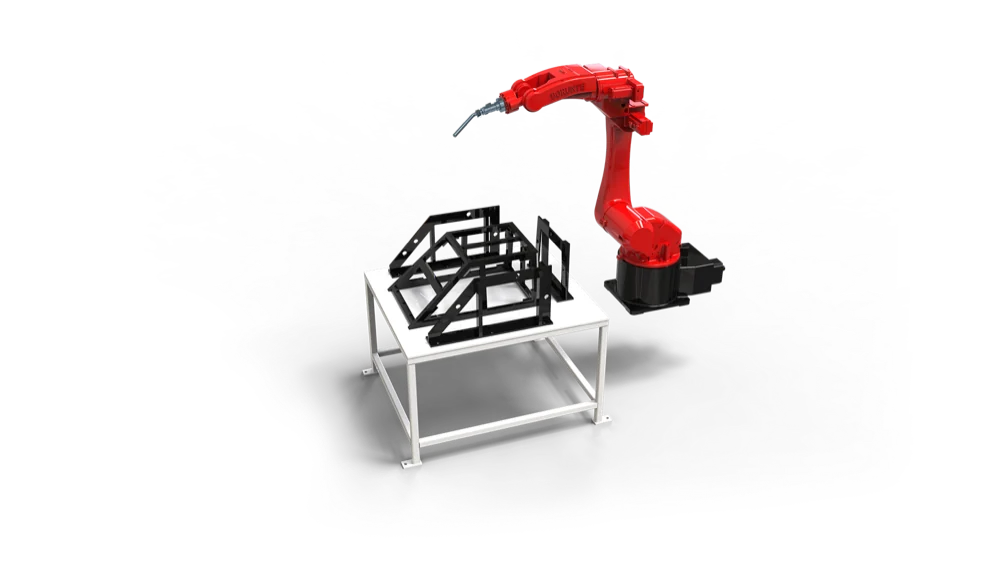
Welding is one of the highest-return applications for a 6-axis robot. A well-built welding cell runs a stable weld quality around the clock, frees a skilled welder from repetitive seams, and pays for itself faster than most shop-floor investments. This guide walks through how a real cell is put together.
When robot welding makes sense
Robot welding is not only for huge factories. It fits when:
- The same part is welded again and again (batches, not one-offs)
- Seams are repeatable and reachable by a torch
- You struggle to hire or keep skilled welders
- Quality must stay consistent part to part
If your work is all custom one-piece jobs, a robot is the wrong tool. For repeatable seams, it is often the single best upgrade.
What a welding cell is made of
A working cell is more than the arm. The core pieces:
| Part | Job |
|---|---|
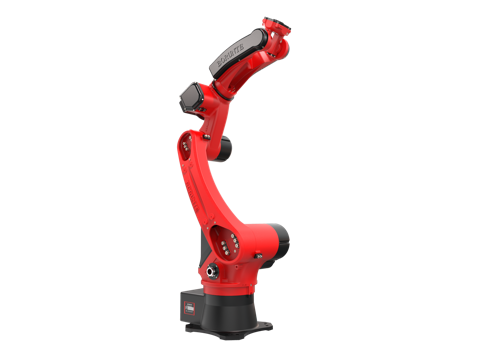
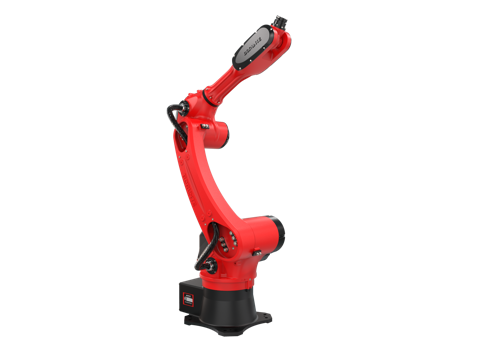
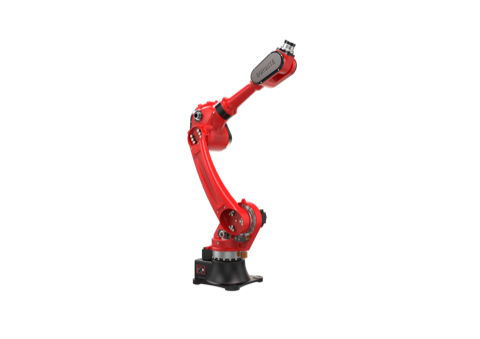
| 6-axis robot | Carries and aims the torch along the seam |
| Welding power source | Arc / MIG / TIG source, communicating with the robot |
| Positioner | Rotates or tilts the part so every seam is in a good welding position |
| Torch cleaning station | Keeps the nozzle clear so quality does not drift |
| Safety enclosure | Light curtains and screens to protect operators |
The positioner is what people underestimate. Being able to turn the part means the robot always welds in the easiest, highest-quality orientation instead of reaching around awkwardly.
Seam tracking: why it matters
Real parts are never perfect. Fixtures wear, plates warp from heat, tolerances stack up. Seam tracking lets the robot find the real seam instead of blindly following the taught path. Two common methods:
- Touch sensing — the wire touches the part to locate the joint before welding
- Arc / laser tracking — the robot corrects its path while welding
For thin or precise work, tracking is the difference between "looks fine" and "passes inspection every time".
Cycle time and ROI — a realistic view
The honest math is not "robots are cheap". It is throughput and consistency.
A two-station positioner cell lets the operator load one side while the robot welds the other, so the arc is almost never idle. Typical gains our customers see:
- Arc-on time rises from ~30% (manual) to 60–70%
- Rework from weld defects drops sharply
- One operator can tend the cell instead of welding every seam by hand
A welding robot does not replace your welder. It moves your best welder from burning every seam to setting up and checking quality — which is where their skill actually pays off.
Where Yigaite fits
We are an application service provider, not just a robot seller. For a welding project that means we help with cell layout, positioner choice, fixturing, commissioning and after-sales — and back it with Runtime OS online diagnosis so the cell keeps running after it is installed.
If you have a repeatable welding job and want to know whether a robot cell fits, tell us about it and we will give you an honest read.